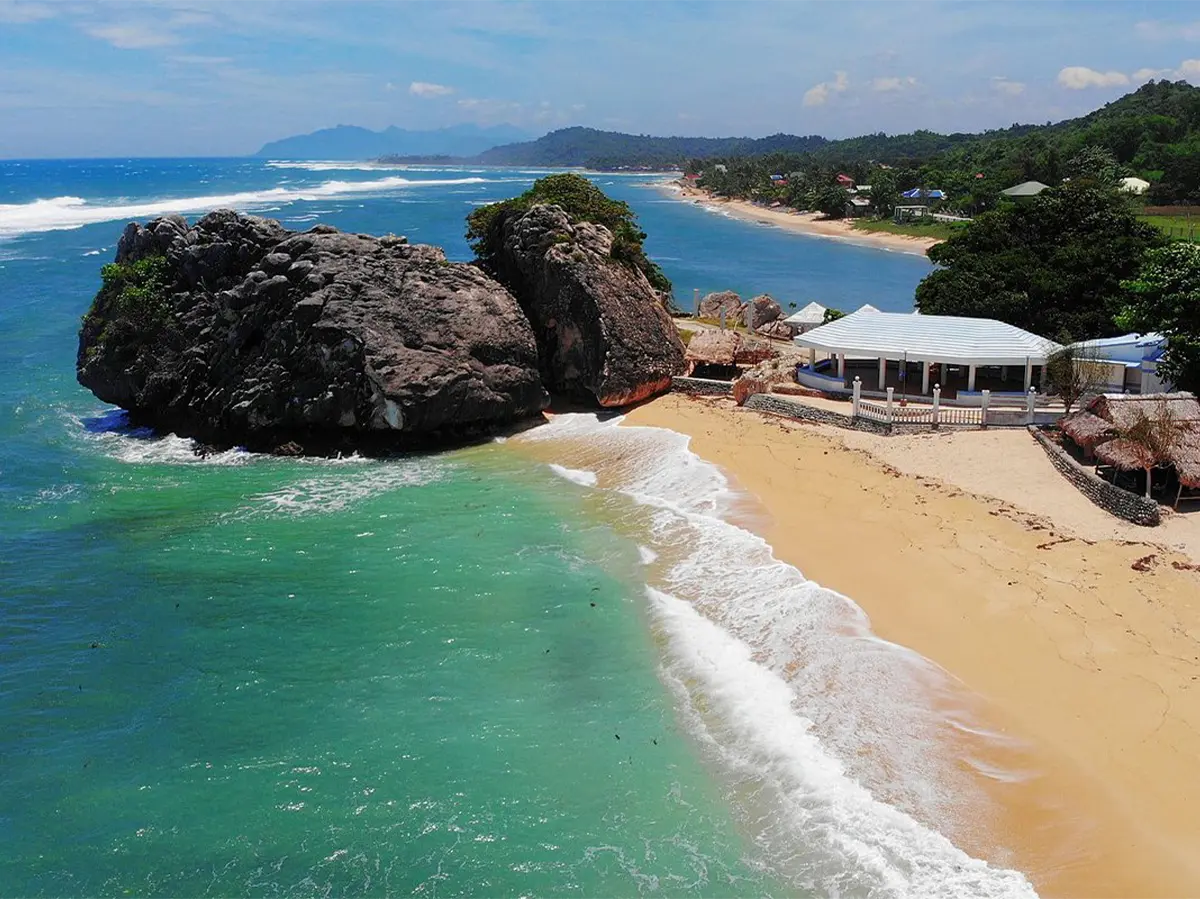
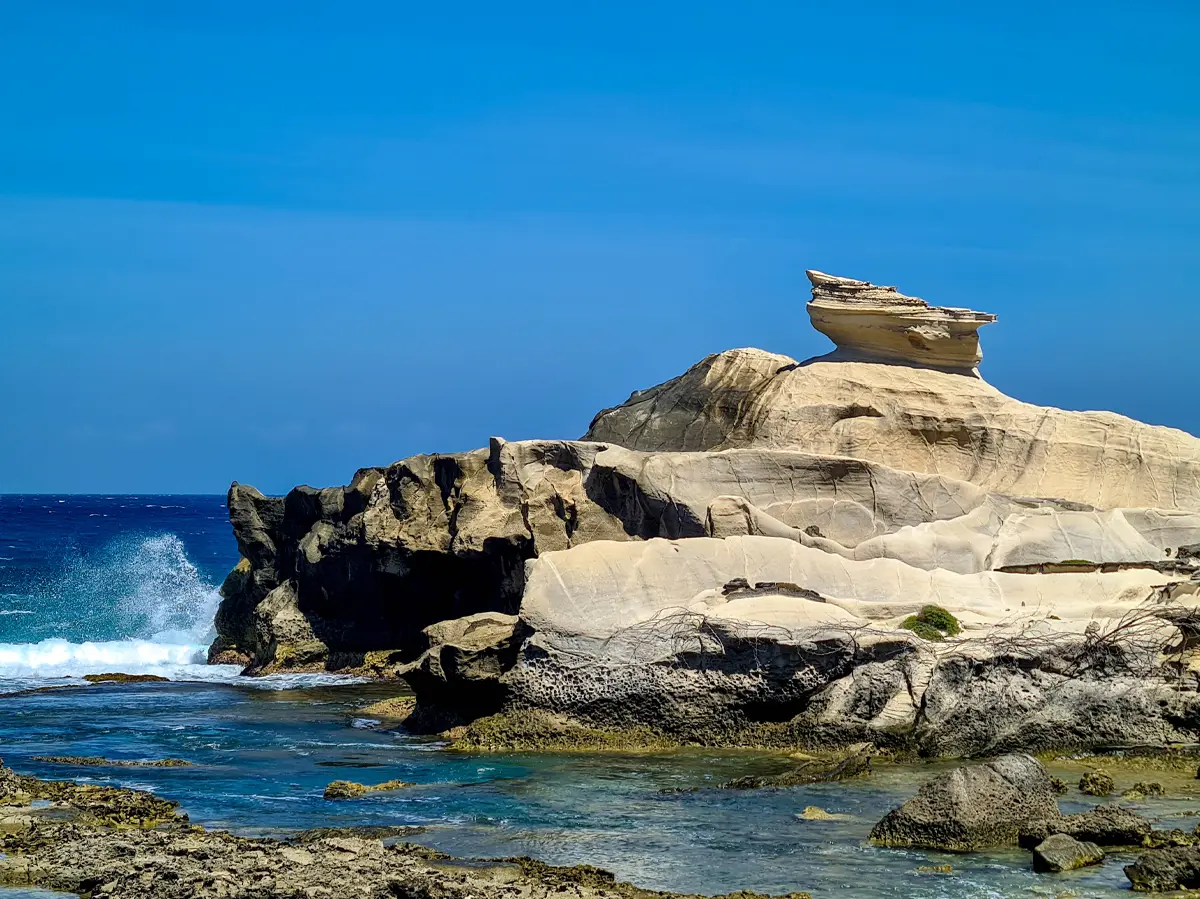
Guests can visit Mapisi Rock, a well known natural landmark near Santiago Cove. Surrounded by clear blue waters and coastal views, it is a peaceful spot to take photos, explore, and enjoy the beauty of the sea. The rock formation stands out against the shoreline, making it a favorite stop for visitors.
Whether you arrive by boat or view it from the beach, Mapisi Rock offers a simple yet memorable experience. It is a great way to connect with nature and add another scenic moment to your stay.
The rich tradition of Inabel weaving is one of the cultural treasures of Ilocos. This centuries old craft, created on wooden looms using cotton threads, reflects the patience and skill passed down through generations. Watching local weavers at work offers a closer look at the artistry behind every pattern.
Inabel cloth has been valued since before the Spanish colonial period and was traded across Southeast Asia for its strength and quality. A visit to an Inabel weaving center is a meaningful way to experience local culture and bring home a piece of Ilocos heritage.
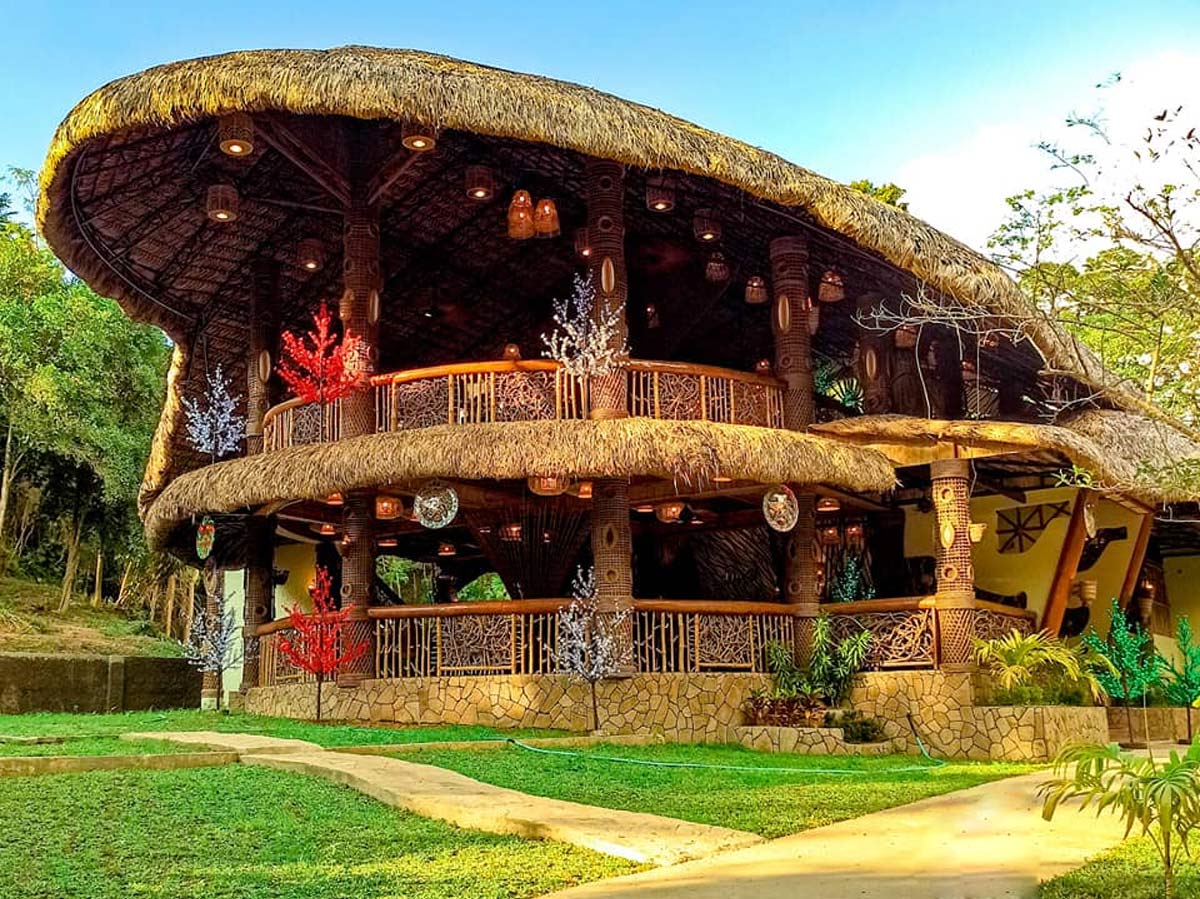
Candon City Eco Park in Ilocos Sur is a peaceful escape surrounded by lush greenery and fresh air. Away from the busy town center, it offers a calm setting where visitors can relax and enjoy simple outdoor activities.
The park features picnic huts, walking and hiking paths, and a playground for children. There is also a butterfly garden, mini zoo, and fish pond, making it a pleasant stop for families and nature lovers alike.
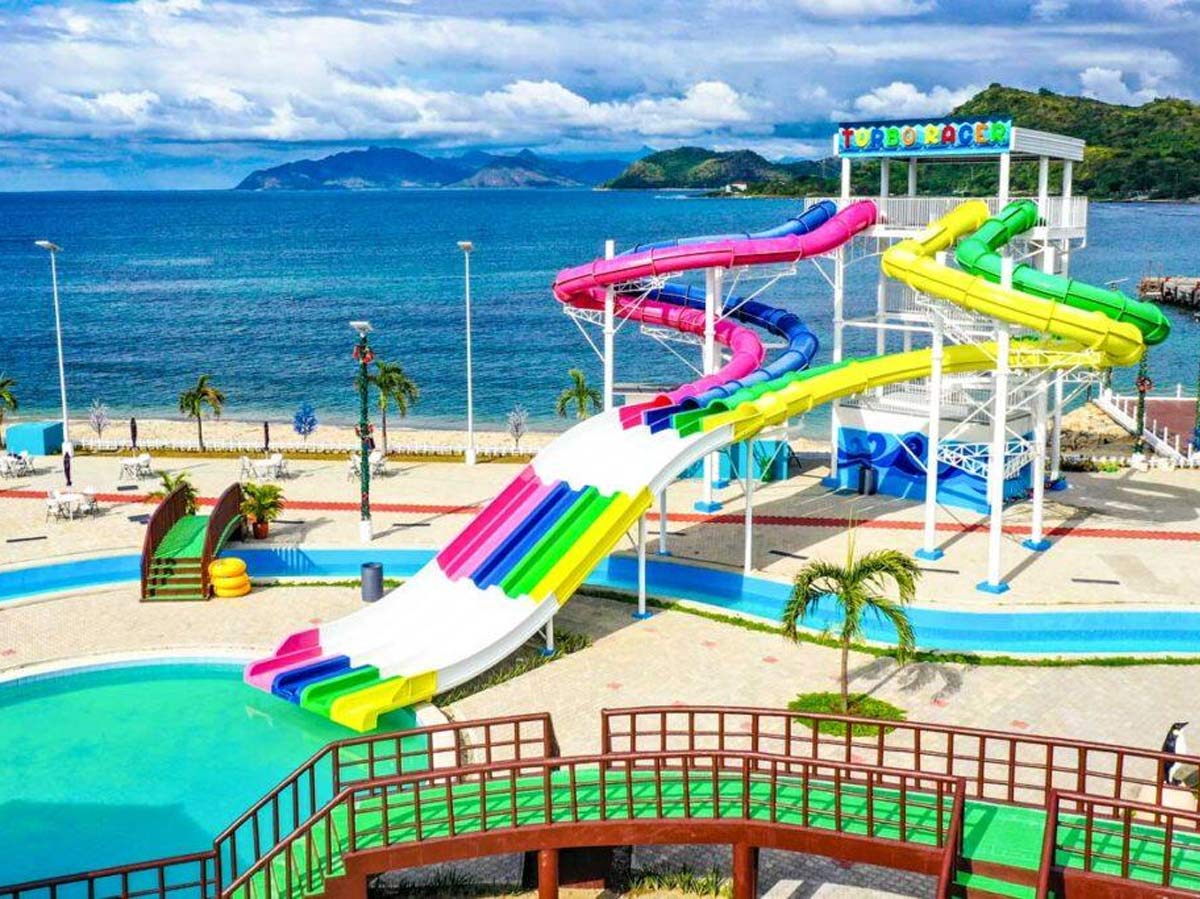
Port Adventure in Villa Quirino, San Esteban, Ilocos Sur is a lively spot for a day of fun by the water. It is perfect for families and friends who want a mix of excitement and relaxation in a beachside setting.
Enjoy the safe and thrilling water slides, search for the treasure box in the long, winding pool, or ride a jet ski along the shore. After the adventure, unwind in the shaded sheds and cabanas and take in the easygoing coastal atmosphere.
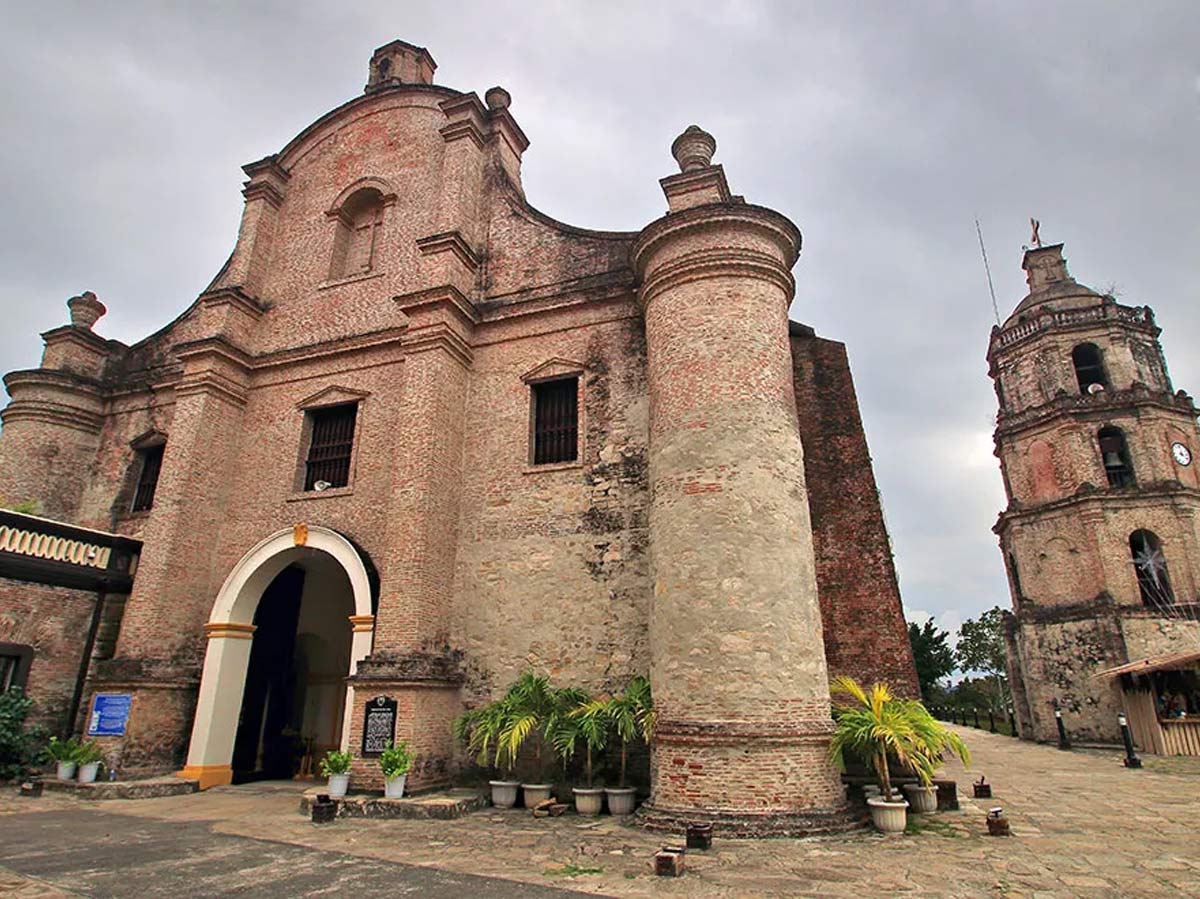
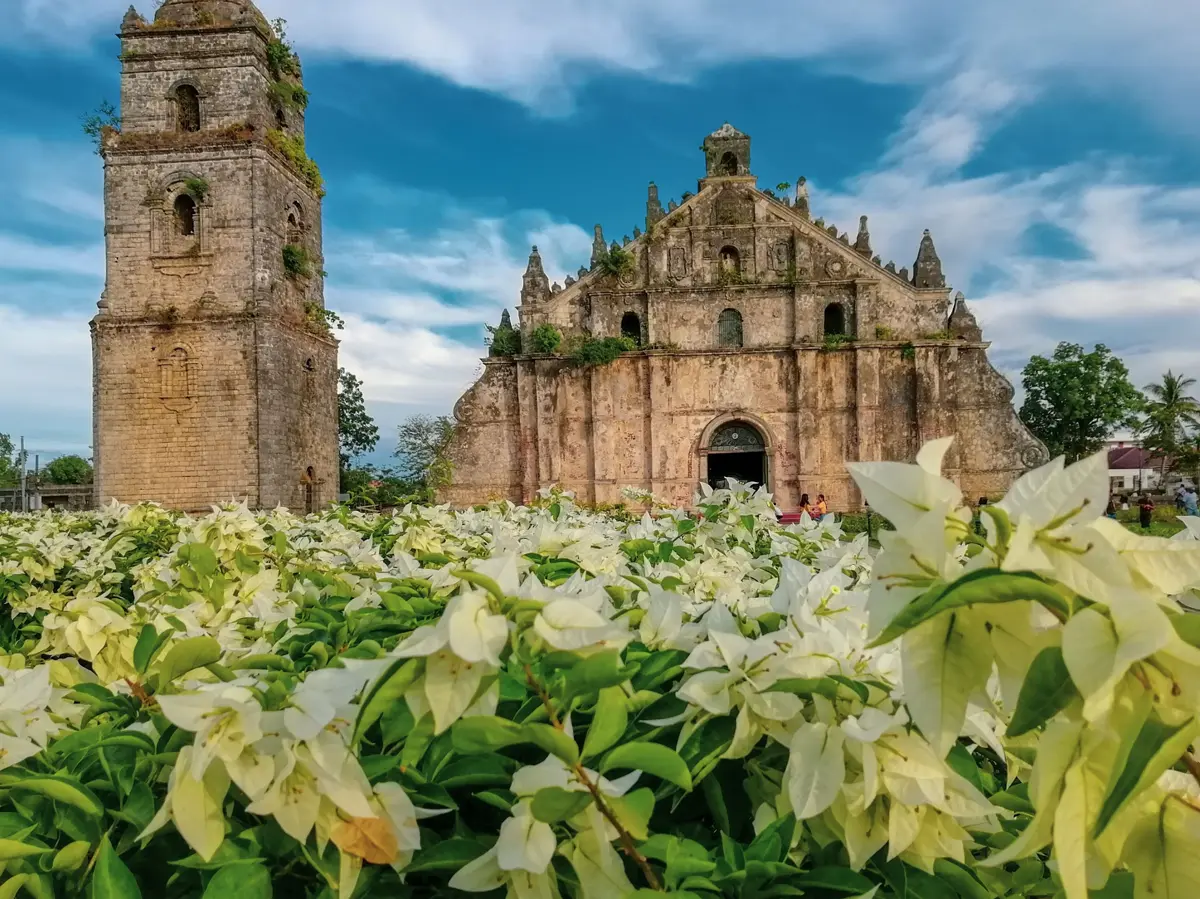
Beyond their religious importance, many churches in the Philippines are also admired for their architecture. Four churches in the country have been recognized by UNESCO as World Heritage Sites because they are strong examples of the Baroque style introduced during the Spanish colonial period.
One of these is the Nuestra Señora de la Asuncion Church, more widely known as Santa Maria Church in Ilocos Sur. Built on top of a hill, the church overlooks the town below and stands as a reminder of the country’s history and enduring faith.